
Creating a relaxing home workspace can make a significant difference in your productivity and overall well-being. When your workspace feels peaceful and comfortable, it becomes easier to stay focused and motivated throughout the day. Whether you are working remotely full-time or occasionally, designing a calm environment tailored to your needs will help you perform at your best.
In this post, we’ll explore practical tips to help you create a home workspace that supports relaxation and productivity.
Choose the Right Location
Selecting the ideal spot in your home is the first step toward a relaxing workspace. Here are some considerations to keep in mind:
– Quiet and Private: Pick a space away from household noise and foot traffic. This reduces distractions and gives you a sense of privacy.
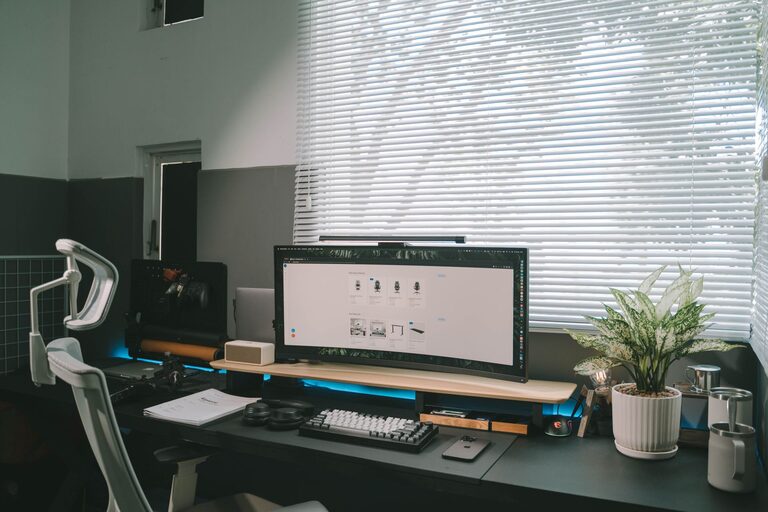
– Natural Light: Position your desk near a window if possible. Natural light can boost mood and reduce eye strain.
– Adequate Space: Ensure there’s enough room for your computer, paperwork, and other essentials without feeling cramped.
If dedicated room space is limited, use room dividers or a corner that gets minimal interruption.
Invest in Comfortable Furniture
Comfort plays a huge role in maintaining productivity. Consider the following furniture choices:
– Ergonomic Chair: A chair with good lumbar support helps prevent back pain during long working hours.
– Adjustable Desk: Standing desks or adjustable desktops allow changing positions, which can increase comfort and energy.
– Organized Desk: A desk with enough surface area and storage keeps your tools accessible yet uncluttered.
Having supportive, pleasant furniture creates a workspace you’ll want to spend time in.
Personalize Your Space
Adding personal touches can reduce stress and foster a positive mindset.
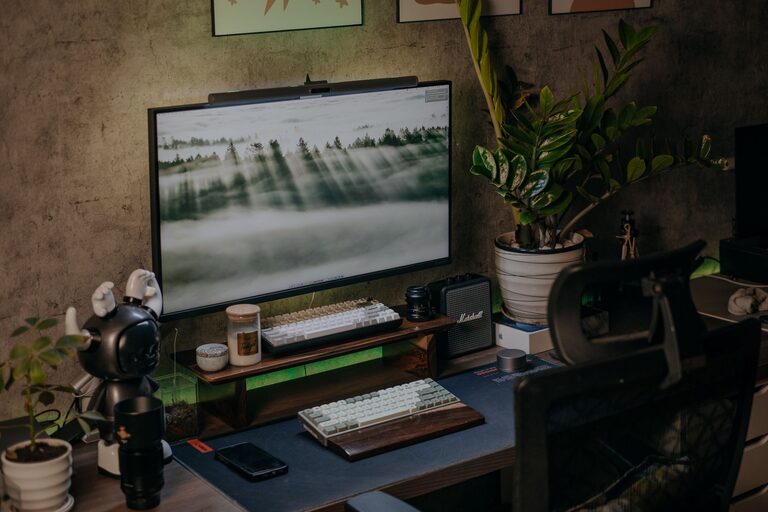
– Decorate with Plants: Indoor plants improve air quality and bring a gentle, natural vibe that can soothe your mind.
– Inspiring Artwork: Hang simple art or photos that motivate and uplift you.
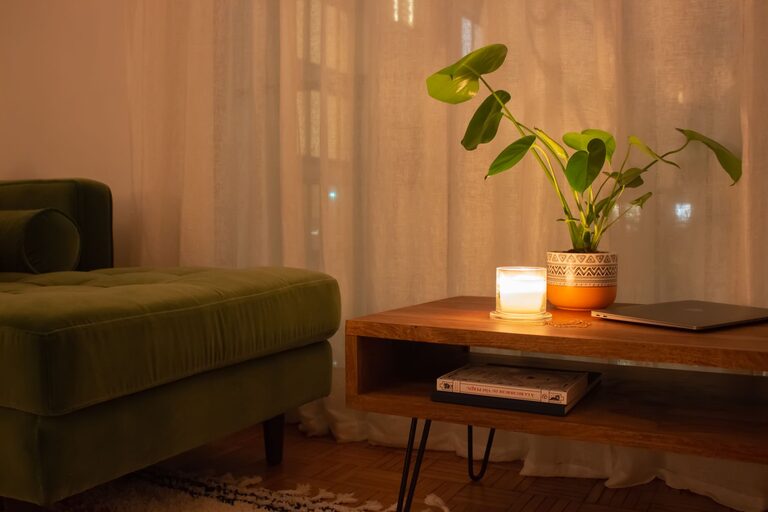
– Soft Textiles: Use cushions, rugs, or curtains in calming colors to make the area cozier.
Personalization helps your workspace feel inviting rather than sterile or purely functional.
Organize and Declutter
A cluttered space often leads to a cluttered mind. Keeping your workspace organized supports clear thinking.
– Use Storage Solutions: Bins, shelves, and drawer organizers help keep items tidy.
– Declutter Regularly: Set aside time each week to remove unnecessary papers and reset your desk.
– Cable Management: Use clips or ties to keep wires neat and out of sight.
An orderly workspace reduces distractions and saves time searching for things.
Control Lighting and Sound
Proper lighting and sound control are essential to create a relaxing environment.
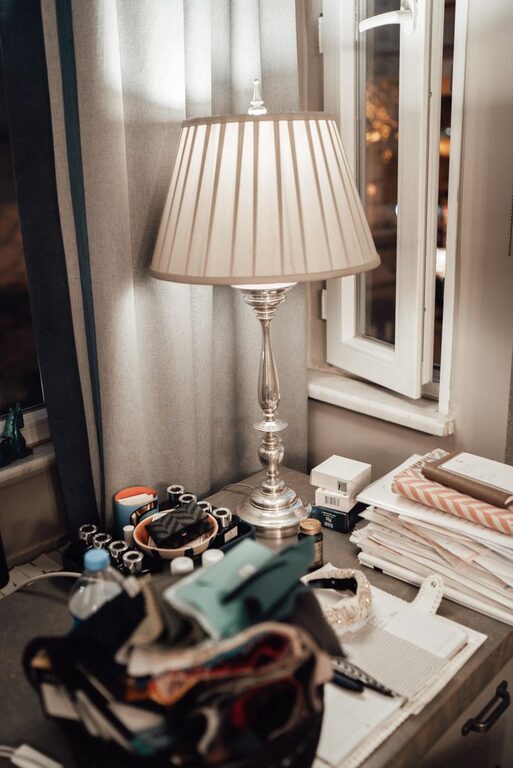
– Adjustable Lighting: Combine natural light with soft, adjustable task lighting to avoid glare and eyestrain.
– Noise Reduction: Use noise-cancelling headphones or white noise machines to block background sounds.
– Ambient Sound: Playing gentle instrumental music or nature sounds can help maintain focus for some people.
Creating the right sensory environment contributes greatly to relaxation and concentration.
Incorporate Break Areas
Include a small area for breaks within or near your workspace.
– Comfortable Seating: A chair or cushion away from your desk encourages quick mental breaks.
– Refreshments Station: Keep a water bottle or tea nearby to stay hydrated and refreshed.
– Movement Space: Having room to stretch or walk around promotes physical comfort and alertness.
Taking regular short breaks is proven to improve productivity and reduce fatigue.
Establish a Routine and Boundaries
Even the most relaxing workspace won’t help if you don’t maintain healthy work habits.
– Set Work Hours: Define specific start and end times to separate work and personal life.
– Minimize Distractions: Turn off non-work notifications and inform others of your schedule.
– End-of-Day Ritual: Organize your workspace and plan tasks for the next day to close your workday calmly.
Clear routines make your workspace a dedicated focus zone, improving efficiency and preventing burnout.
—
By thoughtfully designing your home workspace to be relaxing and functional, you set yourself up for greater productivity and enjoyment throughout your workday. Remember, the key is to combine comfort, organization, and personal touches that suit your needs best. Small changes can have a big impact!
Try these simple tips and watch your home office become a place where both peace and productivity thrive.
About the Author