Indoor gardening is a rewarding hobby that brings greenery and freshness into your living space. Whether you have a few potted plants on a windowsill or a whole room dedicated to gardening, keeping your indoor garden healthy year-round requires attention and the right care. This article offers essential tips to ensure your indoor plants thrive no matter the season.
Understanding Your Indoor Garden Environment
Indoor plants depend on factors such as light, temperature, humidity, and air circulation. Unlike outdoor gardens, indoor gardens are contained environments where conditions can vary widely. Successful indoor gardening starts with understanding these factors and adjusting care accordingly.
Light Requirements
Plants need light for photosynthesis, which keeps them healthy and growing. However, different plants have varying light needs:
– Bright light: Succulents, cacti, and some tropical plants thrive in bright, direct sunlight near south-facing windows.
– Indirect light: Many houseplants, such as pothos and peace lilies, prefer bright but indirect light.
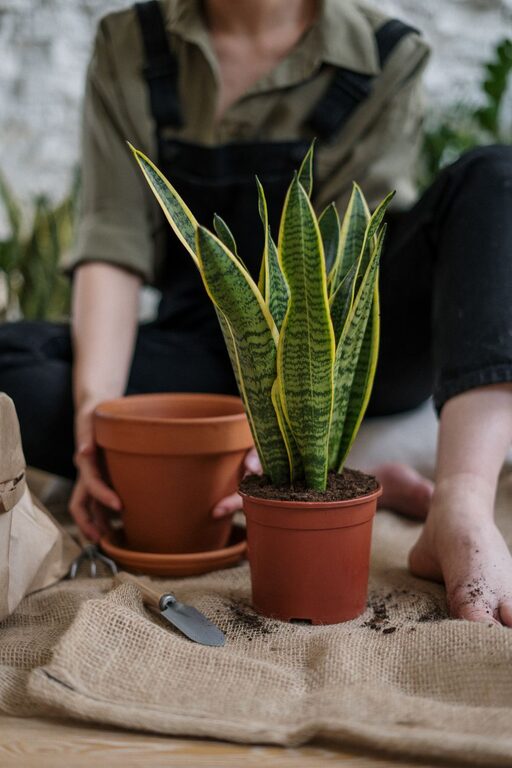
– Low light: Some plants like snake plants and ZZ plants tolerate lower light conditions.
Tip: Rotate your plants regularly to ensure all sides get light exposure and avoid uneven growth.
Temperature and Humidity
Most indoor plants prefer temperatures between 65°F and 75°F (18°C to 24°C). Avoid placing plants near drafts, heating vents, or air conditioners, which can cause temperature fluctuations and stress.
Humidity is also important. Many indoor plants, especially tropical ones, enjoy higher humidity levels (40%-60%). In winter months when heating dries the air, consider using a humidifier or placing a water tray near plants to maintain moisture.
Watering Wisely
Proper watering is critical for healthy indoor plants. Overwatering is a common mistake that can lead to root rot and other issues.
Tips for Effective Watering
– Check soil moisture before watering by inserting your finger 1–2 inches into the soil. Water only if the topsoil feels dry.
– Use pots with drainage holes to prevent water from accumulating at the bottom.
– Water slowly and evenly to allow soil to absorb moisture.
– Adjust watering frequency with seasonal changes. Plants often need less water in cooler months and more during active growing seasons.
Feeding Your Plants
Indoor plants need nutrients to grow strong and vibrant.
Choosing Fertilizers
– Use balanced, water-soluble fertilizers formulated for indoor plants.
– Follow label instructions carefully to avoid over-fertilizing, which can damage roots.
– Generally, feed plants every 4–6 weeks during the growing season (spring and summer) and reduce or stop feeding in fall and winter.
Pruning and Maintenance
Regular pruning keeps your indoor garden tidy and encourages new growth.
Pruning Guidelines
– Remove dead or yellowing leaves promptly.
– Trim leggy or overgrown stems to maintain shape and promote bushier growth.
– Clean leaves gently with a damp cloth to remove dust, which can block light absorption.
Preventing Pests and Diseases
Indoor plants can be vulnerable to pests like spider mites, aphids, and fungus gnats.
How to Keep Pests Away
– Inspect plants regularly for any signs of pests or disease.
– Avoid overwatering as soggy soil attracts pests.
– Use natural treatments such as insecticidal soap or neem oil when needed.
– Quarantine new plants before integrating them into your indoor garden to prevent introducing pests.
Adjusting for Seasonal Changes
Even though your plants live indoors, seasonal changes can affect their care.
Tips for Each Season
– Winter: Provide sufficient light, often by moving plants closer to windows. Reduce watering and feeding.
– Spring: Begin feeding and watering more frequently as plants enter active growth.
– Summer: Watch for rapid growth; provide shade for plants sensitive to direct sunlight.
– Fall: Gradually reduce feeding and watering as plant growth slows.
Choosing the Right Plants
Some plants are better suited for indoor gardening throughout the year.
Recommended Easy-Care Indoor Plants
– Snake Plant (Sansevieria)
– Pothos
– Spider Plant
– ZZ Plant
– Peace Lily
– Aloe Vera
These plants tolerate a variety of light and humidity conditions and are great for beginners.
—
Maintaining a healthy indoor garden year-round is achievable with a little planning and care. By understanding your plants’ needs for light, water, nutrients, and environment, you can enjoy a vibrant green space indoors throughout all seasons. Happy gardening!
About the Author